
Parenting Time & Extracurriculars: Do You Need Permission in Brampton? (2026 Guide)
Usually, yes. If major decisions are shared, new extracurriculars should be discussed first. In 2026, the safest approach in Brampton or Orangeville is to check the exact wording of your order or separation agreement before registering the child.
UNDERSTANDING DECISION-MAKING RESPONSIBILITY IN 2026
WE PROVIDE CLEAR ANSWERS ON PARENTAL RIGHTS.
Immediate Consultations Available at 905-497-7200.
In 2026, the Ontario Children’s Law Reform Act still centres the child’s best interests. When parents disagree about sports, lessons, or clubs in Brampton or Orangeville, our team first reviews the separation agreement or court order. That document usually answers most of the dispute.
If decision-making is shared, new extracurriculars should usually be discussed first. A parent should not assume that an activity is automatically fine just because it happens during that parent’s own time. If the activity changes the child’s weekly routine, creates an ongoing commitment, or is likely to affect the other parent’s schedule later, it should be raised in advance.
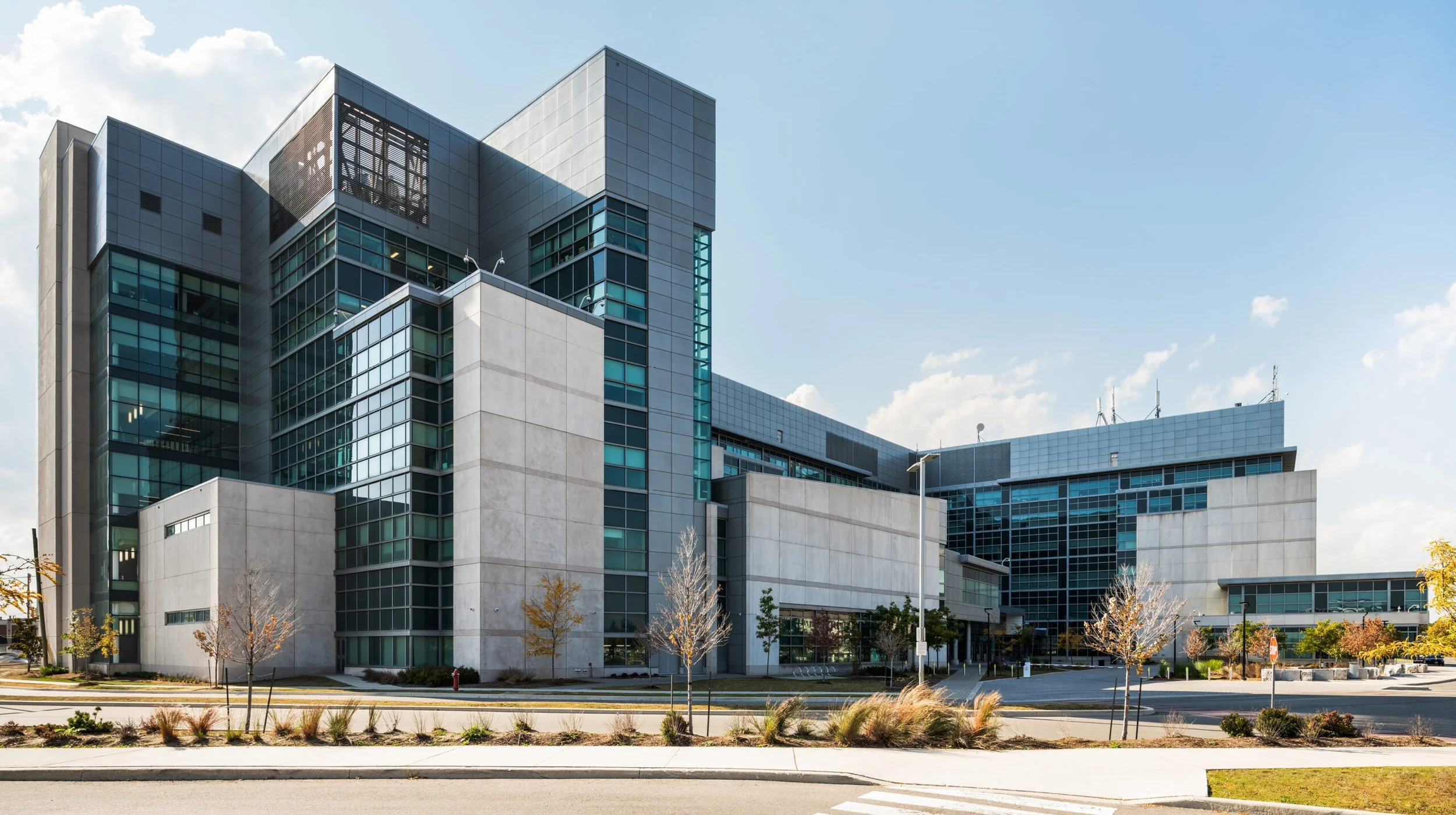
At the Davis Courthouse in Brampton, judges usually come back to the same practical question: what is actually in this child’s best interests? That test is not abstract. It is applied to the child’s real routine, the child’s needs, the parents’ ability to cooperate, and the wording of the existing order.
In a consultation, we usually walk through the same factors a court will consider:
Past involvement: Has the child done this activity before, or is one parent trying to introduce something completely new?
The child’s routine: Does the activity support stability, or does it create stress, travel, or frequent schedule changes?
The level of parental conflict: If communication is poor, a court may be cautious about approving a demanding activity that requires constant coordination.
Impact on parenting time: Does the activity stay within one parent’s time, or does it spill into the other parent’s weekends, evenings, or holidays?
Financial reasonableness: Is the cost proportionate to the family’s means, especially under the 2026 Federal Child Support Table framework?
The child’s own interests and history: If the child has been consistently involved and is thriving, that often matters more than a parent’s personal preference.
We have extensive experience handling parenting disputes at the Brampton Davis Courthouse. In a real consultation, our advice is practical and calm: read the order closely, map out the schedule, look at the cost, and ask what a judge would say helps this child, not what either parent wants to “win.”
CAN I SIGN MY CHILD UP FOR SKATING DURING MY PARENTING TIME IN BRAMPTON?
WE RESOLVE PARENTING DISPUTES QUICKLY.
Flat-Fee Service Options For Simple Motions.
Sometimes yes. Sometimes no. The real question is whether the activity stays fully inside your parenting time or starts affecting bigger decisions.
If a skating lesson at Earnscliffe Recreation Centre happens only during your scheduled Saturday time in Brampton, the issue may be manageable. But if you want the other parent to share the cost, drive the child, give up part of their own time, or commit to future practices and games, the discussion should happen before registration.
At the Davis Courthouse in Brampton, these cases are often less about skating itself and more about whether the decision was fair, child-focused, and realistic. Judges often look at whether the child has a genuine history with the activity, whether the schedule fits the child’s school and home life, whether both parents were given proper notice, and whether the activity increases conflict instead of helping the child.
This is where our team steps in. We help parents present activity proposals in a way that is clear and workable. That often means drafting a practical Parenting Protocol for extracurriculars that sets out:
how activities will be proposed;
how much notice must be given before registration;
who pays what;
who handles transportation;
what happens if an activity falls on the other parent’s time; and
how disagreements will be addressed before anyone rushes to court.
That kind of structure often prevents a small skating dispute from turning into a much larger fight.
THE IMPACT OF SECTION 7 EXPENSES ON ACTIVITY CONSENT
WE SECURE FAIR FINANCIAL ARRANGEMENTS.
2026 Federal Child Support Table Compliance.
Extracurriculars such as rep sports, competitive dance, or private tutoring can become Section 7 expenses. In 2026, with costs still high across the GTA, this is one of the most common pressure points in family files.
If one parent signs the child up without proper discussion, a court may decide that parent should carry the cost alone. If the expense is going to be shared, the activity usually needs to be reasonable, necessary, and proportionate to the family’s means.
At the Davis Courthouse, the best interests analysis often overlaps with the money analysis. A court may ask:
Is this a long-standing activity or a new expense?
Is the child meaningfully involved, or is the activity optional and parent-driven?
Can both households realistically absorb the cost?
Was the cheaper local option in Brampton or Orangeville considered?
Was proper notice given before registration deadlines?
Is the expense proportionate to income, especially after support obligations and other child-related costs are paid?
This is where practical planning matters. Before registration, our team usually asks: Is this activity part of the child’s normal routine? Is it affordable? Was enough notice given? Will the other parent realistically agree to their share?
We assist in three practical ways. First, we negotiate clear Parenting Protocols so parents know how activity costs and scheduling decisions will be handled going forward. Second, if both sides reach agreement, we draft formal Consent Orders for schedule variations or cost-sharing terms so the arrangement is enforceable. Third, if mediation or negotiation fails, we litigate Section 7 disputes and put the financial evidence, communication history, and child-focused facts before the court. For support with these disputes, speak with a Family Lawyer in Brampton.

WHAT IF THE ACTIVITY OVERLAPS WITH THE OTHER PARENT'S TIME IN ORANGEVILLE?
WE PROTECT YOUR PARENTING TIME.
Emergency Motions For Access Interference.
This issue comes up often between Orangeville and Brampton. One parent signs the child up for an activity, but the games, practices, or travel start cutting into the other parent’s scheduled time.
That is where problems begin. A child’s activity should not become a back-door way to reduce the other parent’s parenting time. If the new schedule affects weekends, pick-ups, or transportation between Orangeville and Brampton, written agreement is the safest route.
In practice, our team usually looks at several points:
Does the activity interfere with the other parent’s court-ordered time?
Was proper notice given before enrolment?
Is there a fair plan for transportation, cost-sharing, or make-up time?
Has the child already been involved in the activity for a meaningful period?
Is the travel between Orangeville and Brampton reasonable for the child’s age, school schedule, and rest?
Is the disagreement really about the activity, or is it part of a larger communication breakdown between the parents?
At the Orangeville Courthouse, and at the Davis Courthouse in Brampton, judges tend to focus on whether the parent acted reasonably and kept the child’s routine stable. If one parent registers first and explains later, that can hurt their position. If the activity is important and workable, but the schedule needs adjusting, we help prepare formal Consent Orders that spell out new exchange times, transportation arrangements, and make-up parenting time. If no agreement is possible, we prepare the evidence needed to show the court why the proposed activity either supports or undermines the child’s best interests.
We often tell clients the same thing in consultation: slow the issue down, get the details on paper, and look at it the way a judge will. That usually leads to a better outcome for the child and less conflict for everyone.

LOCAL LEGAL FAQ
What if my ex-partner refuses to pay for swimming lessons in Brampton?
In Peel Region, the first issue is not just whether swimming is good for the child. The question is whether the cost is reasonable, whether the child has a real history with the activity, and whether the other parent was given fair notice before registration. At the Davis Courthouse, judges often want to see the numbers clearly: registration fees, equipment, travel, competition costs, and each parent’s income. If the activity is long-standing and affordable, cost-sharing is more likely. If it is a new and expensive commitment introduced without discussion, the parent who registered the child may end up paying alone. We help by organizing the expense record, reviewing the communication trail, and trying to resolve the issue before it becomes a full Section 7 fight.
How do Ontario courts in Brampton decide if an extracurricular activity is in the child’s best interests?
At the Davis Courthouse, the court usually looks at the full picture rather than any single fact. Judges often consider the child’s past involvement, the child’s enjoyment and consistency in the activity, the effect on school and rest, the impact on parenting time, the parents’ ability to cooperate, and whether the cost is proportionate to the family’s means. A court may also look at whether the proposal was made in a respectful and organized way, or whether one parent acted first and created a conflict. Our team approaches these cases the same way: we build the facts around the child’s actual routine, not around either parent’s frustration.
Do I need a court order to change my child’s skating schedule in Orangeville?
Not always. If both parents clearly agree in writing, that may be enough for a practical schedule change. But if the case is high-conflict, informal agreements often fall apart later. In Orangeville and throughout Dufferin County, we often see disputes where one parent thought a text message settled the issue and the other parent later denied it. If the activity changes the parenting schedule in a meaningful way, a consent order may be the safer option. We help by drafting formal Consent Orders that deal with exchange times, transportation, missed parenting time, and how future activity changes will be handled. That kind of detail can prevent the same dispute from returning every new sports season.
ABOUT THE AUTHOR
Rahul Kaushal is the Co-founder of OMNI LAW GROUP. As a member in good standing with the Law Society of Ontario, he focuses on Family Law matters involving parenting time, decision-making, and support disputes. From the firm’s office near North Park Drive in Brampton, Rahul and our team assist clients across Peel Region and Dufferin County in navigating the A. Grenville and William Davis Courthouse and the Orangeville Courthouse.

OMNI LAW GROUP
905-497-7200
LET US NAVIGATE THE LAW FOR YOU