Who Keeps the Ring? The Legal Guide to Engagement Rings and Wedding Jewelry in an Ontario Divorce
OMNI LAW GROUP
WE NAVIGATE FAMILY LAW & PROTECT YOUR ASSETS
Fast Results & Professional Guidance
When a relationship ends, the emotional toll is heavy enough without having to argue over who gets the diamond. In Brampton and Orangeville, one of the most common questions we hear as family law focused lawyers is: "Do I have to give the ring back?"
It seems like a simple question, but the answer changes depending on whether you actually made it down the aisle. Whether it is an heirloom engagement ring or expensive wedding jewellery gifted during a traditional ceremony, the law in Ontario has very specific rules about who gets to keep the sparkle.
THE ENGAGEMENT RING: A CONDITIONAL GIFT
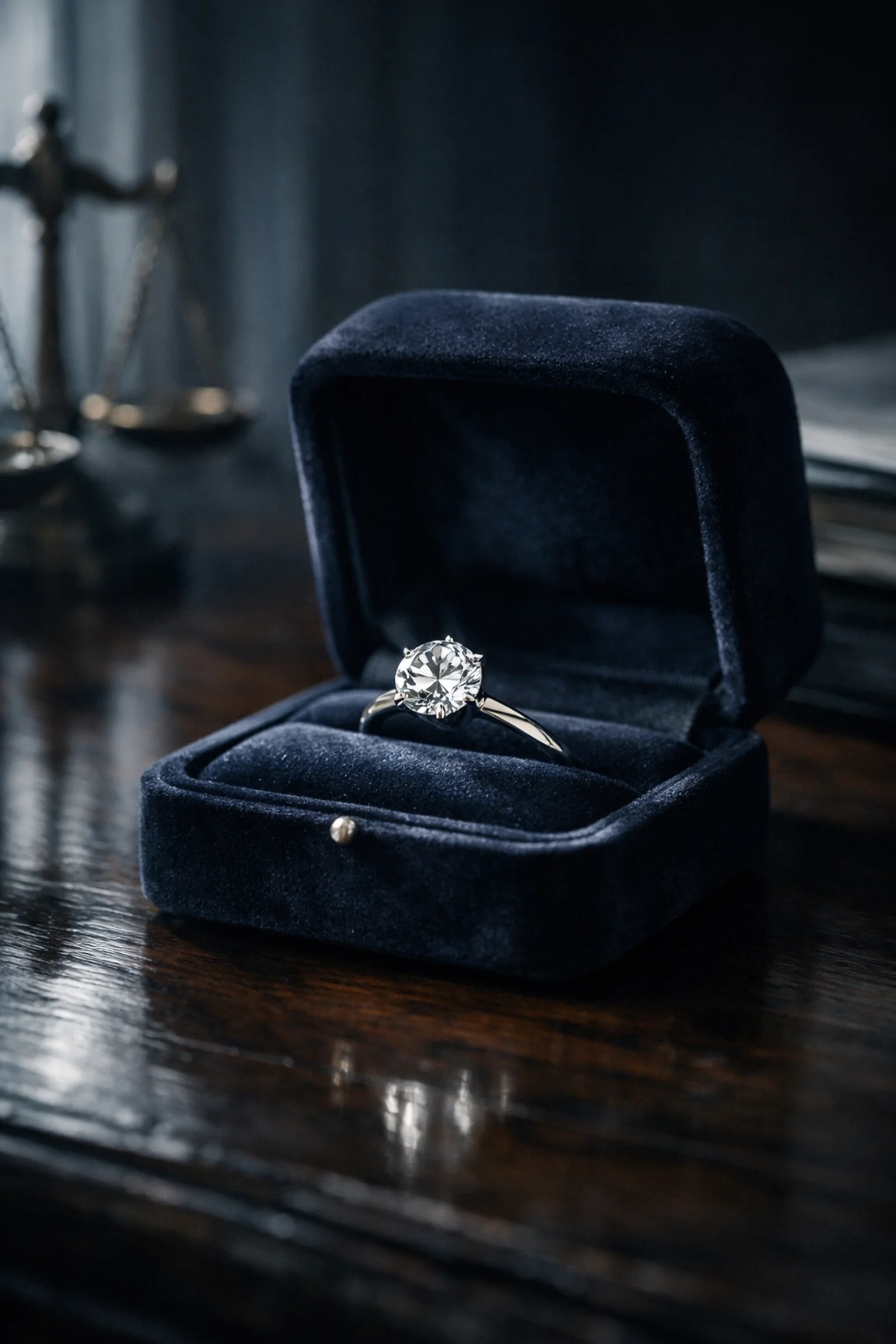
In the eyes of Ontario law, an engagement ring is not just a piece of jewellery; it is considered a "conditional gift." The condition? That the marriage actually takes place.
If the engagement is broken off and the wedding never happens, the condition of the gift has not been met. Generally, this means the person who received the ring must return it to the person who bought it.
DOES IT MATTER WHO BROKE UP WITH WHOM?
A common myth in Brampton is that if the person who proposed "cheated" or called off the wedding for no reason, they lose the right to get the ring back. However, Section 33 of the Marriage Act in Ontario changed the game. It removed "fault" from the equation.
The law basically says it does not matter why the engagement ended. Whether there was infidelity, a change of heart, or a mutual decision to part ways, the ring remains a conditional gift. If the marriage does not happen, the ring goes back to the donor.
THE IMPORTANCE OF A TIMELY DEMAND
There is a catch. If you want the ring back, you cannot wait forever to ask for it. Ontario courts, in cases like King v. Mann (2020), have emphasized that the person who gave the ring must make a "timely demand" for its return. If you wait a year or more to ask for the ring back, a judge might decide that you intended to turn that conditional gift into an absolute gift, allowing the recipient to keep it.
THE TRANSFORMATION: AFTER THE WEDDING DAY
Everything changes the moment you say "I do." Once the marriage ceremony is complete, the "condition" of the gift is satisfied. The engagement ring officially becomes the absolute property of the person wearing it.
If you later decide to file for an Ontario divorce, the ring is no longer something that can be "taken back" by the person who purchased it. It belongs to the recipient. However, that does not mean it is completely ignored during the financial split.
HOW JEWELLERY IMPACTS EQUALIZATION
In Ontario, we use a process called "equalization of net family property." This is the way we split assets and debts after a marriage ends. Your engagement ring and other wedding jewellery are part of your "Net Family Property" (NFP).
THE DEDUCTION RULE
Because you likely owned the engagement ring on the day you got married, its value on the date of marriage is usually treated as a deduction.
Here is how it works in a typical Brampton or Orangeville divorce case:
Date of Marriage Value: We determine what the ring was worth the day you got married. Let’s say $10,000.
Date of Separation Value: We determine what the ring is worth on the day you separated. Let’s say it’s now worth $12,000 due to the increase in the price of gold or diamonds.
The Calculation: You get to deduct the $10,000 "marriage date value" from your total assets. However, the $2,000 increase in value during the marriage is considered part of the wealth accumulated during the union and is subject to equalization.
WEDDING JEWELLERY: GIFTS VS. MATRIMONIAL ASSETS
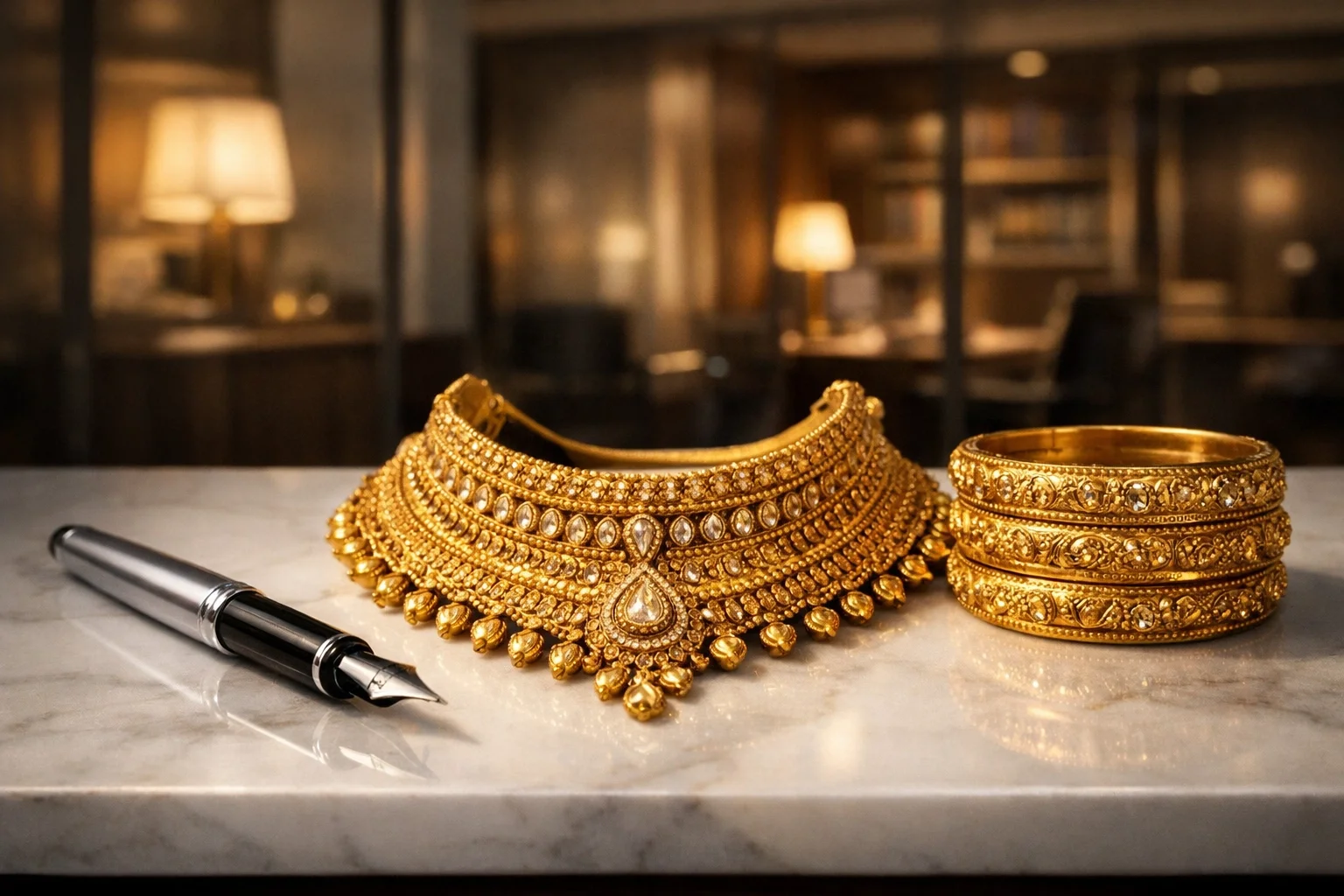
Wedding jewellery often goes beyond just a ring. In many cultures within the Brampton community, gold sets, necklaces, and other pieces are gifted to the couple or specifically to the bride.
Determining who keeps these items depends on whether they are classified as personal gifts or matrimonial assets.
Personal Gifts: If your parents gave you a set of earrings specifically for you to own and wear, these are generally considered your personal property. In some cases, gifts from third parties (like parents) received during the marriage can be excluded from equalization entirely, provided they were kept separate and not "intermingled" with family finances.
Matrimonial Assets: If jewellery was purchased using joint bank accounts during the marriage as an "investment" for both parties, the value of that jewellery will likely be split 50/50.

CULTURAL CONSIDERATIONS IN BRAMPTON & ORANGEVILLE
In many South Asian weddings, the "Dowry" or "Sridhan" involves significant amounts of gold and jewellery. These cases can become incredibly complex in an Ontario court.
Judges will look at:
Who provided the funds for the jewellery?
Was there a written agreement or a marriage contract (prenup)?
Was the jewellery intended to be a gift to the bride alone or a gift to the new family unit?
If you are dealing with high-value gold sets or international gifts, you need a divorce lawyer who understands these nuances. We often see cases where one spouse claims the jewellery was a "loan" from parents, while the other claims it was an absolute gift. Without proper documentation, these disputes can drag on for months.
WHAT ABOUT HEIRLOOMS?
Family heirlooms are another tricky area. If a husband gives his wife his grandmother’s diamond ring, it is still a "gift" once they marry. If they divorce, the wife technically owns it.
To avoid the heartbreak of losing a family heirloom, we always recommend a domestic contract or "prenuptial agreement." This document can explicitly state that if the marriage ends, the heirloom ring must be returned to the original family line. If you didn't sign a prenup, you might have to negotiate a settlement to get that family treasure back.
PRACTICAL STEPS TO PROTECT YOURSELF
Whether you are the one who gave the ring or the one who received it, there are a few things you should do immediately during a separation:
Get an Appraisal: Jewellery values fluctuate. Don't guess what that ring is worth. A professional appraisal will give you the "fair market value" needed for your financial statements.
Find the Receipts: Proof of purchase is vital. It establishes when the item was bought and who paid for it.
Check Your Insurance: Make sure the items are still insured and that the policy reflects who currently has possession of the items.
Take Photos: Document the condition and existence of all jewellery pieces. We have seen cases where items "go missing" during the high-conflict stages of a separation.

HOW OMNI LAW GROUP CAN HELP
Navigating the division of property is one of the most stressful parts of a divorce. While a ring might seem small compared to a house or a pension, the emotional and financial value can be massive.
At OMNI LAW GROUP, we are focused on helping clients in Brampton and Orangeville reach fair settlements. Every case is unique. Whether you are dealing with a broken engagement and want your investment back, or you are defending your right to keep your wedding gifts, we provide the steady hand you need.
WE PROTECT YOUR RIGHTS
WE CALCULATE YOUR EQUALIZATION
OMNI LAW GROUP | 905-497-7200
DON'T LET THE SPARKLE BLIND YOU TO THE LAW
Family law in Ontario is designed to be fair, but "fair" doesn't always feel that way when you're in the middle of a breakup. Understanding the difference between a conditional gift and an absolute gift can save you thousands of dollars in legal fees and unnecessary stress.
If you’re unsure about your rights regarding an engagement ring, wedding jewellery, or other assets, don't leave it to chance. Check out our legal FAQ for Brampton & Orangeville or read our guide on how to survive financially after divorce.
When you're ready to move forward, OMNI LAW GROUP is here to help you navigate the process with confidence and clarity.
WE RESOLVE FAMILY DISPUTES
Book Your Consultation Today
905-497-7200